Vitamin D and Bone Health
This post was originally published in 2023, but has been updated in 2025 to reflect my current studies in Nutrition. I'm passionate about bridging the gap between complex anatomy and simple, plant-based living.

Vitamin D is an essential nutrient that plays a crucial role in maintaining healthy bones. It is a fat-soluble vitamin that helps the body absorb calcium from the diet, which is essential for building and maintaining strong bones. Without enough vitamin D, our bodies cannot properly absorb calcium, leading to weakened bones, increased risk of fractures, and osteoporosis.
Why is vitamin D the key to strong bones?
Bone health is essential for overall health and well-being. Bones provide structure, protect organs, store minerals, and support our muscles. Vitamin D helps the body to absorb calcium from the diet, which is necessary for building and maintaining strong bones.
Vitamin D also helps to regulate the levels of calcium and phosphorus in the blood, which is essential for maintaining strong and healthy bones. If calcium and phosphorus levels are too low, the body will take these minerals from the bones, weakening them and making them more prone to fractures.
Think of your body like a construction site. Calcium is the brick, but Vitamin D is the foreman who ensures the bricks actually get delivered from your diet into your bloodstream. Without enough Vitamin D, your body can only absorb a tiny fraction of the calcium you eat. When your blood calcium levels run low, your body doesn't just stop working; it makes a "withdrawal" from your ‘Skeletal Mineral Bank’.
Inside your bone tissue, two types of cells are in a constant tug-of-war:
Osteoblasts: The "construction workers" that build new bone.
Osteoclasts: The "demolition crew" that breaks down old or damaged bone to release calcium.
When you are Vitamin D deficient, the "demolition crew" keeps working to keep your heart and nerves running, but the "construction workers" don't have the materials they need to rebuild. This leads to a thinning of the spongy bone—the honeycombed interior of your bones—making them brittle and prone to fractures.
Who is at risk for vitamin D deficiency?
Vitamin D deficiency is common, especially among older adults, people with darker skin, those who do not get enough sun exposure, and those who follow a vegetarian or vegan diet. People who have had gastric bypass surgery or who have certain digestive disorders such as celiac disease may also be at risk for vitamin D deficiency.
How can you get enough Vitamin D?

The best source of vitamin D is sunlight. When the skin is exposed to sunlight, it produces vitamin D. However, many factors can affect how much vitamin D the skin produces, such as time of day, season, latitude, skin color, and the use of sunscreen. In general, it is recommended to spend about 15-20 minutes in the sun each day to get enough vitamin D.
Plant-based food sources of vitamin D include fortified foods such as milk, orange juice, and breakfast cereals.
Supplements are also available and can be a good option for those who are at risk for vitamin D deficiency and for those of us who live in the Northern Hemisphere or spend a lot of time indoors.
Bone Health and Menopause
Menopause can have significant effects on bone health. As we age, our bodies become less efficient at making vitamin D. As estrogen levels decline during menopause, the body's ability to absorb calcium decreases, which can lead to a loss of bone density and an increased risk of osteoporosis. This is why menopausal women are at a higher risk for bone fractures and other bone-related conditions. To protect bone health during menopause, it is important to eat a diet rich in calcium as well as taking a vitamin D supplement.
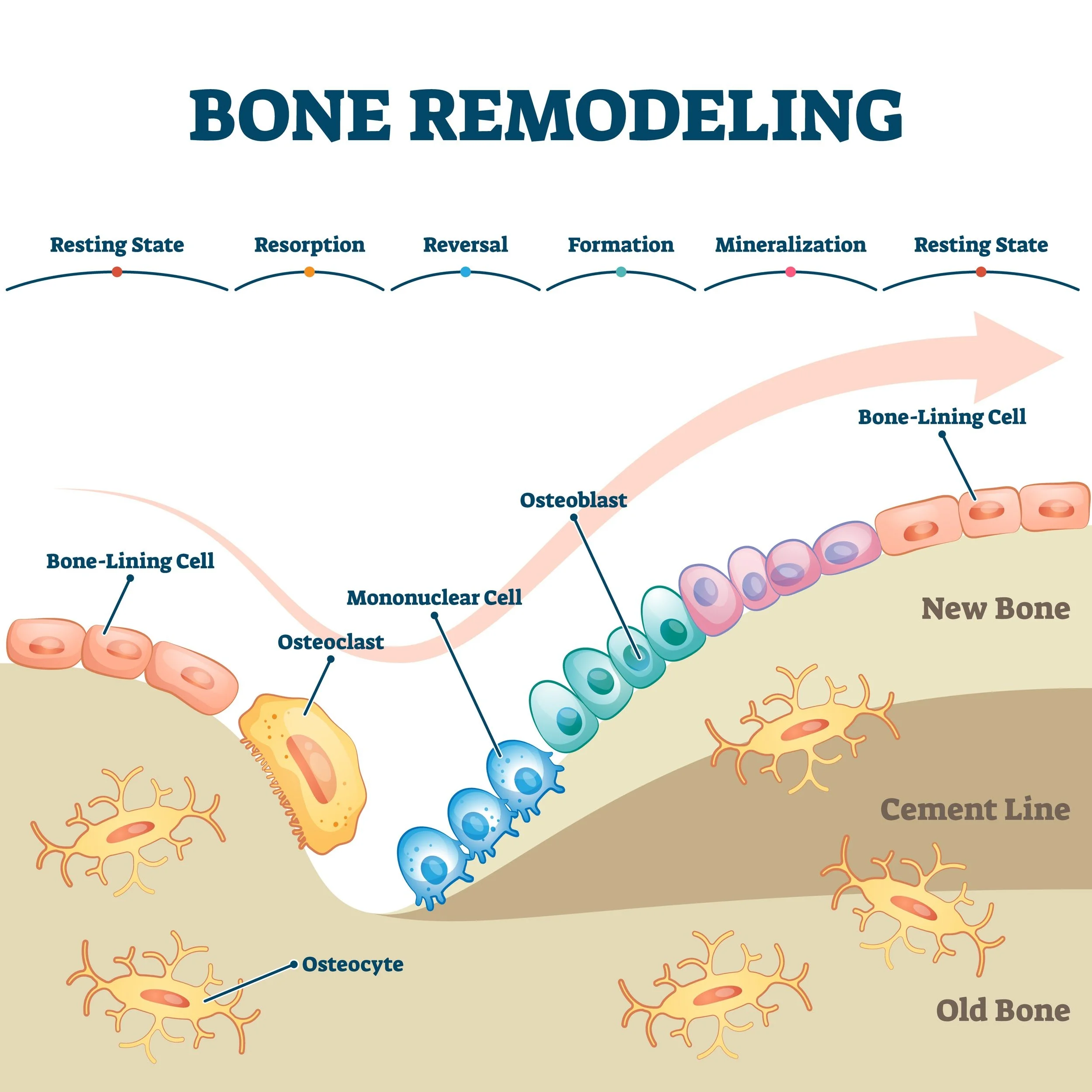
Estrogen is a "bodyguard" for your bones—it helps keep the "demolition crew" (osteoclasts) in check. As estrogen levels decline, the rate of bone removal starts to outpace the rate of bone formation.
How much Vitamin D do you need?
The recommended daily intake of vitamin D varies depending on age and other factors. The National Institutes of Health recommends the following daily intake of vitamin D:
Infants and children: 400-600 IU/day
Adults up to age 70: 600-800 IU/day
Adults over age 70: 800-1,000 IU/day
It is important to talk to your healthcare provider to determine the appropriate amount of vitamin D for your individual needs.
Healthy Bones Grocery List
You don't need dairy to build a "Skeletal Mineral Bank." In fact, many plant-based sources come with added benefits like Vitamin K and Magnesium that you won't find in a glass of cow's milk.
Stock your kitchen with these vegan powerhouses:
Cruciferous Greens: Bok choy, kale, and collard greens. (Unlike spinach, these are low in oxalates, meaning your body can absorb the calcium much more efficiently!)
Fortified Options: Soy or pea milk, and calcium-set tofu (check the label for "calcium sulfate").
Tahini & Almond Butter: These are mineral-dense spreads.
UV-Exposed Mushrooms: Look for mushrooms labeled "High in Vitamin D." You can even "charge" your own mushrooms by placing them in direct sunlight for 15 minutes before eating!
Fermented Foods: Natto (a fermented soybean dish). Sauerkraut and vegan kimchi also provide smaller amounts.
Seeds: Pumpkin seeds (pepitas), chia seeds, and hemp hearts.
Ancient Grains: Quinoa and amaranth are high in magnesium and phosphorus.
Legumes: White beans and chickpeas are excellent for bone structure and protein.
The Bottom Line
Vitamin D is a vital nutrient that is essential for maintaining healthy bones. It helps the body absorb calcium from the diet, regulates calcium and phosphorus levels in the blood, and supports bone health. To ensure you are getting enough vitamin D, it is recommended to spend time in the sun, eat vitamin D-rich foods, and consider taking supplements if needed. Taking care of your bone health is an important part of overall health and well-being.